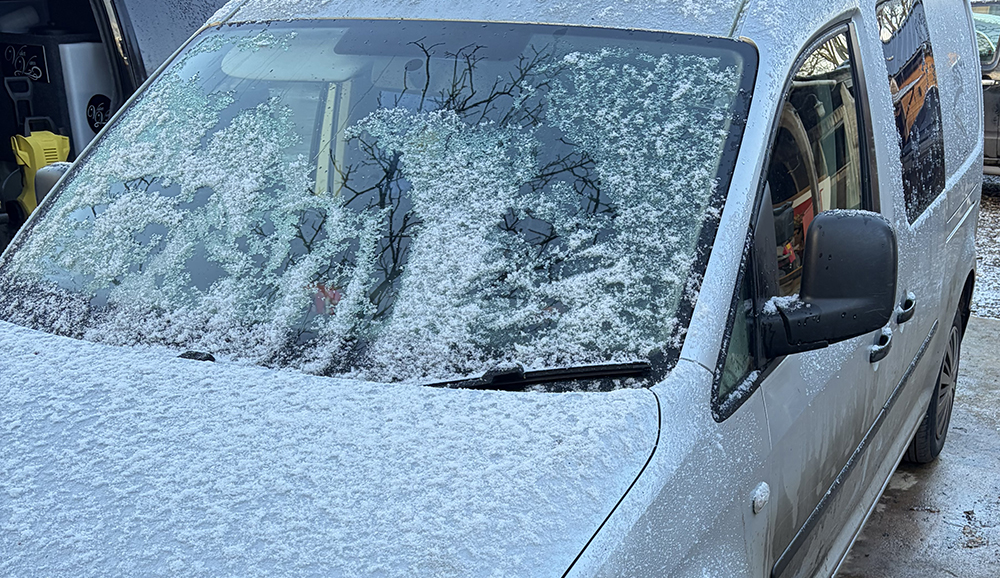
Winter in the UK brings miserable, damp weather, frosty mornings, and... tonnes of road salt. While grit and salt keep our roads safe by preventing ice, they pose a serious threat to your vehicle's condition. Regular valeting is one of the best ways to combat these harsh conditions. In this post, we'll explore why valeting is crucial during winter, focusing on protection against salt corrosion, and share practical tips to keep your car in top shape.
The Hidden Danger: Road Salt and Corrosion
Over two million tonnes of rock salt are spread on U.K. roads every winter. This salt lowers the freezing point of water, effectively melting ice, but when mixed with moisture, it creates a highly corrosive electrolyte that accelerates rust formation on metal surfaces.
Salt damage isn't just cosmetic. It targets the underbody, brake lines, suspension components, exhaust system, and wheel arches, areas often hidden from view. Over time, this can weaken structural integrity, leading to MOT failures (corrosion accounts for around 18% of UK vehicle failures) and expensive repairs. Even modern cars aren't immune; aluminium parts can pit, and steel components rust faster in our damp climate.
Salt splashes up as you drive, clinging to your car.
Leaving it unchecked allows corrosion to set in rapidly.
The Importance of Regular Valeting in Winter
Valeting goes beyond a quick wash; it's a detailed process that removes contaminants and applies a protective layer. In winter, you should valet or thoroughly clean your car more frequently than in summer, ideally every 1-2 weeks if driving on salted roads.
Key benefits include:
- Removing Salt and Grime: Professional valeting uses snow foam, pressure washing, and underbody rinses to dislodge salt before it causes damage.
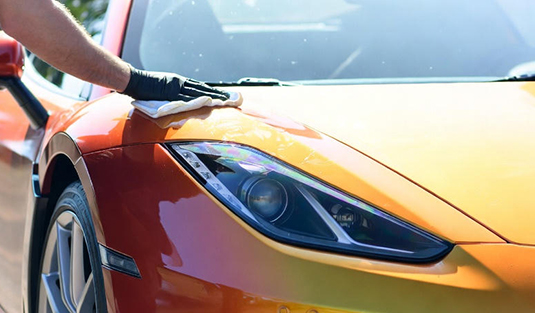
- Protecting Paintwork: A good valet includes decontamination (e.g., fallout removers for bonded contaminants) and a wax or sealant application, creating a barrier against moisture and salt.
- Preserving Value: Regular care prevents rust, maintains shine, and boosts resale value.
- Improving Safety: Clean lights, mirrors, and windows enhance visibility in poor weather.
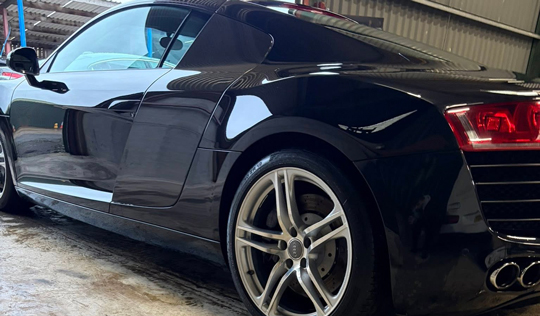
A professional winter valet from E&O Valeting will protect your vehicle. And the rewarding result, a gleaming car ready to face the elements:
Practical Winter Valeting Tips for UK Drivers
- Pre-Winter Preparation: Before the first frost, get a full valet with paint correction if needed, followed by a durable wax, sealant, or ceramic coating for long-term protection.
- Frequent Washes: Focus on undercarriage sprays; many professional services offer these. At home, use a pressure washer carefully.
- Decontamination: Use pH-neutral fallout removers to dissolve iron particles from brakes and salt residues.
- Protective Layers: Apply wax after every few washes. For extra defence, consider professional underbody treatments or rust inhibitors.
- Interior Care: Winter brings mud and moisture inside; vacuum regularly and use rubber mats to protect carpets.
- Avoid Common Mistakes: Don't wash in freezing temperatures (water can freeze and cause cracks). Park in a garage if possible to reduce exposure.
Consistency is key: a single end-of-winter clean won't undo months of neglect.
Final Thoughts
Investing in regular valeting during a UK winter isn't just about keeping your car looking shiny; it's about protecting your investment from irreversible salt corrosion. By staying proactive, you'll avoid costly repairs, maintain safety, and ensure your vehicle emerges in spring as good as new.
If you're due for a valet, book a professional service soon. Your car will thank you, and so will your wallet in the long run! Drive safely this winter.